
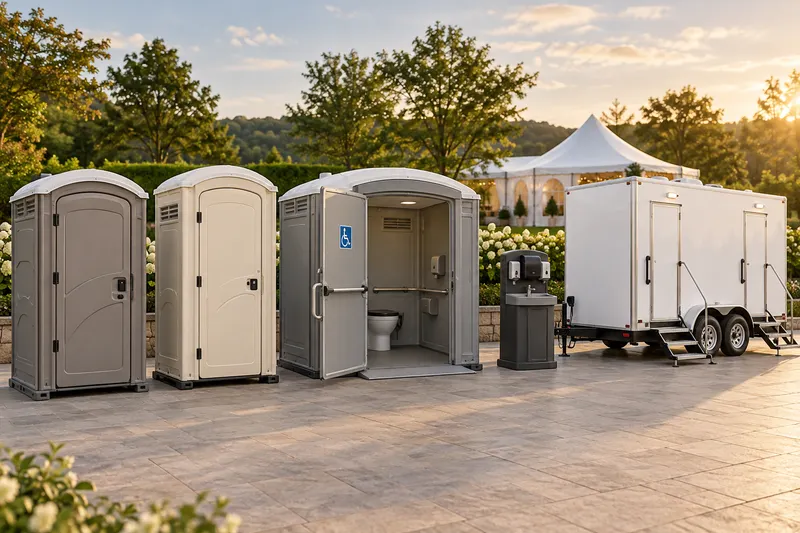
Balance vendor demand and public-use peaks
A street closure with food vendors may create restroom demand before visitors arrive. Standard cubicles provide independent toilet capacity; washing units supply soap-and-water cleaning and contain used water separately. Include accessible provision with a route that remains clear when vendor lines form. If an upgraded toilet needs power, show its supply arrangement on the event layout rather than borrowing an unconfirmed vendor circuit.
Plan inspections before opening and during the busiest trading period. Name the person who checks supplies and the provider visit that handles pumping, cleaning and water replenishment. The quote should use vendor, staff and guest hours, not just the public event duration, and distinguish equipment hire from delivery, service and removal. Arrange collection before street barriers are removed or explain a separate approved pickup window.
Identify each part of the event
In Palmer Lake, keep park use, street access and vendor arrangements in one current event plan.
The Town’s event packet separates park or town-hall use, street closures and vendor information. Describe which parts apply to the gathering rather than assuming one reservation resolves them all. Ask the responsible contact where temporary sanitation may be placed and serviced.
Coordinate the boundaries
Show barriers, public circulation and the supplier entrance on the same sketch. Include setup workers, peak guests and cleanup hours when discussing quantity and service. Washing and accessible provision should be planned before the remaining equipment fills the approved area.
Questions before you book
Does a street closure establish a toilet position?
No. Confirm the specific placement and service route within the approved event arrangement.